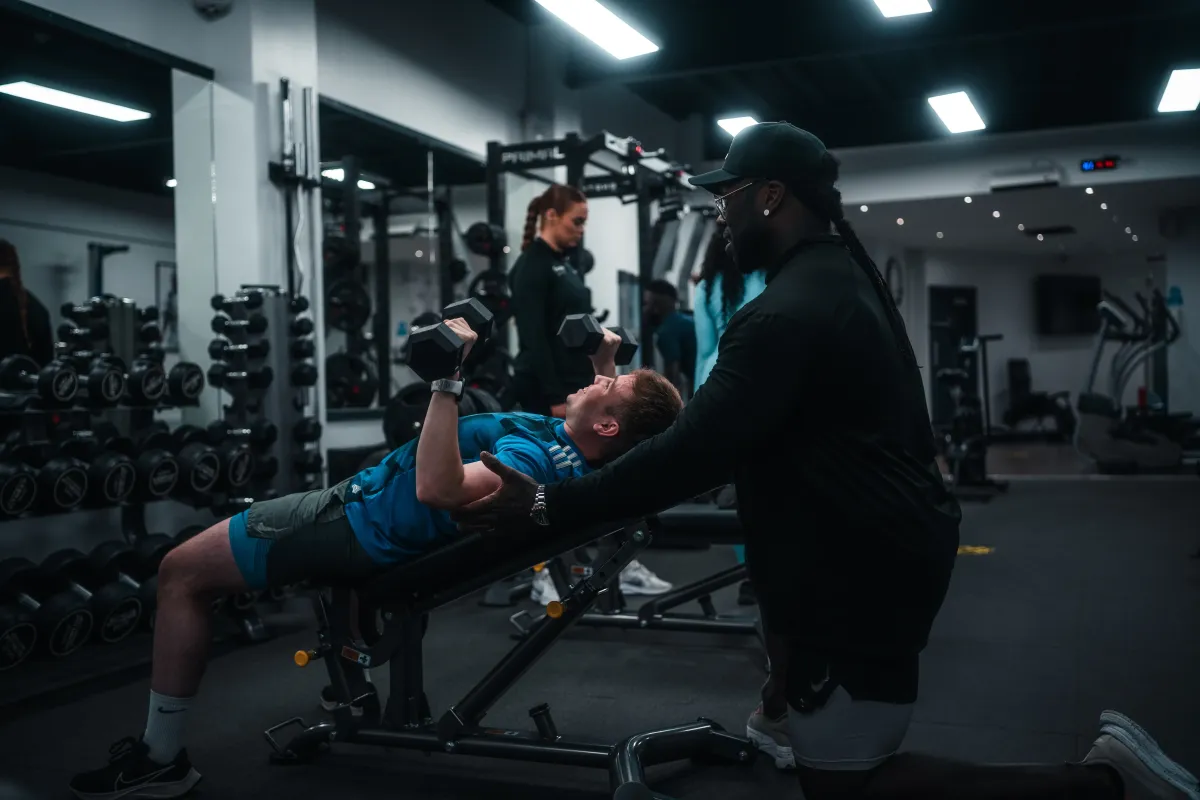
How to Choose a Personal Trainer
You can usually tell within five minutes whether a personal trainer is going to help you move forward or leave you feeling more confused, pressured or overlooked. If you're wondering how to choose a personal trainer, the right starting point is not who has the loudest social media presence or the best six-pack. It is whether they can help you make consistent progress in real life, with your schedule, your body and your goals.
That matters more than most people think. A trainer is not just someone who counts reps. They shape your confidence, your routine and often your relationship with exercise. Choose well, and training feels structured, manageable and motivating. Choose badly, and even a strong programme can become something you dread.
How to choose a personal trainer for your goals
The first question is simple - what do you actually need help with?
Some people want fat loss and accountability. Others want to build strength, improve fitness, recover confidence after time away from exercise or train around aches and pains. Those are not small details. They should shape the kind of coach you choose.
A trainer who is excellent with athletic performance may not be the best fit for a beginner who feels nervous walking into a gym. A coach who specialises in body transformation may be ideal for someone who wants structure, nutrition support and regular check-ins. If you are dealing with previous injuries, you need someone who knows when to push and when to adapt.
This is where many people get stuck. They choose based on image rather than relevance. The better approach is to ask, Have they helped people like me before? Not people with perfect routines or endless free time. People balancing work, family, stress and inconsistent energy.
If the answer is yes, that is a strong sign you are looking in the right place.
Look beyond qualifications alone
Qualifications matter. A trainer should be properly certified and insured, and they should be able to explain their approach clearly. But qualifications on their own do not guarantee good coaching.
What matters just as much is how they apply their knowledge. Can they assess your starting point without making you feel judged? Can they explain why you are doing something, not just tell you to get on with it? Can they adapt sessions if you are tired, stressed or carrying a niggle?
A good trainer does not hide behind jargon. They make training feel clear and purposeful. They know when to challenge you and when to simplify. That balance is often what keeps people progressing.
Experience also counts, but it depends on the type of experience. Years in the industry are useful if they have worked with a range of clients and results, not just repeated the same approach with everyone. The best trainers usually have a method, but not a rigid script.
Personality fit is not a soft factor
A lot of people ignore this part, then wonder why training never quite clicks.
The truth is, personality fit matters. You do not need a best friend, but you do need someone whose coaching style helps you stay engaged. Some people respond well to high energy and direct challenge. Others need calm guidance, reassurance and structure. Neither is better. It depends on you.
If you already feel intimidated by gym culture, a trainer who makes you feel small is not going to bring out your best. If you know you need accountability, a coach who is too hands-off may leave you drifting.
When speaking to a trainer, pay attention to how you feel. Do they listen properly? Do they ask thoughtful questions? Do they seem interested in your goals, or are they trying to slot you into a generic plan? Feeling comfortable is not a bonus. It is part of getting results, because people are far more likely to stick with a process when they feel supported.
Ask how they build a plan
One of the clearest ways to judge a trainer is to ask what happens after your first session.
If the answer is vague, be cautious. Good coaching has structure. That does not mean every week is identical, but it should mean there is a plan, a reason behind it and a way to measure progress.
Ask how they assess your current fitness, how often they review progress and what happens if things are not working. Ask whether they support nutrition, habits and recovery, or if the service begins and ends on the gym floor.
For many people, the real challenge is not doing one tough session. It is staying consistent across busy weeks, family commitments and dips in motivation. That is why the best coaching often includes more than exercise alone. Accountability, check-ins and tailored progression make a major difference.
If a trainer can only offer intensity, but not structure, you may feel worked hard without actually moving closer to your goal.
How to choose a personal trainer if you're busy
If your diary already feels full, convenience matters more than you might like to admit.
The best trainer in the world is not much help if getting to sessions becomes a weekly battle. Look at location, session times, flexibility and the overall setup. Can you realistically fit this into your week without it becoming another source of stress?
This is one reason coaching environments matter. Some people thrive in one-to-one sessions. Others prefersmall group personal trainingbecause it combines expert guidance with energy, accountability and better value. For busy adults, that can be a smart middle ground - you still get coaching and progression, but with more flexibility than a fully bespoke one-to-one schedule.
If you are in areas such as Roundhay, Oakwood or Chapel Allerton, choosing somewhere close enough to remove friction can make consistency far easier. Results often come from what you can repeat, not what looks ideal on paper.
Watch for red flags early
Not every trainer who looks confident is competent, and not every impressive transformation photo tells you how the process felt.
Be careful with coaches who promise very fast results without asking much about your lifestyle. Be wary if every client appears to be given the same plan. Notice if the focus is always on punishment, guilt or extremes. Those approaches can create short bursts of effort, but they rarely build sustainable progress.
Another red flag is poor communication. If they are slow to reply before you have even started, unclear about pricing or unable to explain what is included, that often does not improve later.
You should also be cautious if a trainer dismisses pain, ignores your preferences or makes you feel that asking questions is a problem. Good coaching should feel professional, not ego-driven.
Results matter, but so does the way they are achieved
It is reasonable to ask for evidence that a trainer gets results. Testimonials, client stories and examples of progress are all useful. But look at what those results actually show.
Did clients improve strength, confidence and routine, or just lose weight very quickly? Did they seem supported, or simply pushed hard? Did the trainer help them build habits they could maintain?
The best outcomes are usually the ones that last. A good trainer helps you get fitter and stronger while making the process feel realistic. They should be able to challenge you without making fitness take over your life.
That is especially important if you have struggled with stop-start routines in the past. You do not need another all-or-nothing plan. You need a coaching setup that works when life is busy, imperfect and occasionally chaotic.
Price should be judged against value
Personal training is an investment, so cost matters. But cheapest is rarely best value.
Instead of asking only what it costs, ask what is included. Are you paying for one session a week and little else, or do you get a tailored programme, progress tracking, accountability and guidance outside sessions? A higher monthly fee can make far more sense if it gives you enough support to stay consistent and get results.
That said, more expensive does not automatically mean better. Premium coaching should feel premium in the detail - clear onboarding, personal attention, professional standards and a service built around progress rather than just selling sessions.
One mention here is fair: atShape Club Leeds, that coaching-led approach is exactly what many people are looking for when they want support that goes beyond simply being shown around a gym.
Trust the trainer who makes progress feel possible
The right personal trainer will not just inspire you for one session. They will make the whole process feel more manageable. You should leave early conversations feeling clearer, not overwhelmed. Motivated, not judged. Challenged, but also supported.
If someone can meet you where you are, build a plan around your life and give you the accountability to keep going, that is usually the trainer worth choosing. The best coaching does not rely on pressure or performance. It creates momentum, then helps you keep it.
Start there, and the right decision often becomes much easier.
